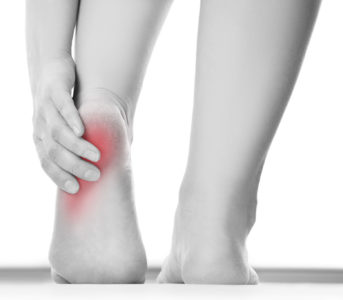
 There is a fair amount of cushion on the underside of your heel, and for good reason. A significant amount of stress is placed on this area every time we step, jump or land on our feet, so a thicker cushion allows for a healthier distribution of force so that the heel and other nearby structures aren’t overburdened with stress.
This heel cushion is oftentimes referred to as the fat pad of the heel. Our fat pads can begin to shrink as we age for a number of different reasons, only some of which are preventable. When this happens, more force is exerted on our heel bone, which can lead to discomfort and other issues for our feet. The condition is called fat pad atrophy, and in today’s blog, we share some tips on how older adults can keep fat pad atrophy from slowing them down.
Causes Of Fat Pad Atrophy
As we noted in the introduction, there are a number of different reasons why you may experience some fad pad loss in your heels as you get older. Some of those causes include:
- Natural age-related degeneration
- Carrying extra weight
- Injury
- Repetitive stress
- Poor footwear
- Repetitive corticosteroid injections
- Underlying health conditions (Diabetes, Rheumatoid Arthritis, etc.)
As you can see, some of these aspects are completely preventable, while others you’ll never be able to mitigate completely. Because the loss of this protective fat pad can lead to pain and force you to shy away from physical activities you enjoy, it’s important to be mindful of the ways you can mitigate the risk of the preventable causes.
Treating And Preventing Fat Pad Atrophy
Treatment and prevention of fat pad atrophy are very similar courses. Both treatment and prevention will focus on taking stress off the fat pad so that repetitive strain is less likely to aid in the degeneration process. Some ways to do this include:
Weight Loss – Losing just a little weight will take an immense amount of strain off your feet and heels.
Switch To More Supportive Shoes – Switching to a more comfortable shoe that better supports your heel and arch can allow the shoe to handle more of the stress of your body instead of forcing it upon the heel.
Orthotic Inserts – Generic or custom-fitted orthotic inserts can add additional padding to the heel area, in turn helping with weight distribution.
Activity Adjustments – We want you to remain active, but perhaps your fat pads would be better off if you moved away from certain high-impact activities. For example, instead of running for exercise, consider swimming laps at the pool.
Physical Therapy – PT can help to strengthen your feet and nearby supportive structures to help your feet better handle the stress that you throw at them.
Corticosteroid injections or a minimally invasive corrective procedure are also possibilities, but these are typically reserved for extreme cases that are not responding well to conservative care. The previously mentioned treatments usually provide enough relief that older adults can maintain a high level of activity without overburdening their heel area.
For more information about fat pad atrophy, or for some personalized assistance overcoming your unique foot or ankle issue, reach out to Dr. Silverman and the team at Silverman Ankle & Foot today at (770) 475-2710.