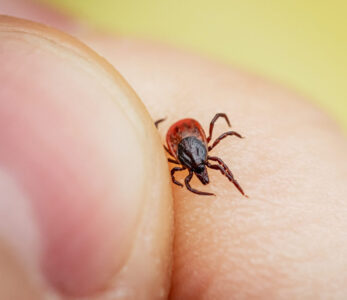
 Summer is here, and that means a seasonal threat has returned – the tick. If you’ve noticed more ticks this season or have heard more stories about friends or family members finding them on their bodies or on their pets, you’re not alone. Data from the Centers for Disease Control and Prevention shows that tick bites are up this year compared to recent years.
For example, in May, emergency departments recorded 134 visits for tick bites per 100,000 visits, up from 112 per 100,000 last year. The trend continued in June, with 130 visits per 100,000 compared to 89 per 100,000 in 2024. These little nuisances account for roughly 95% of all vector-borne diseases like Lyme disease in the US, so you need to be wary if you find a tick on your body or you’ll be heading to places this summer where you might encounter a tick.
In today’s blog, we share some tips for avoiding tick bites and the diseases they can carry.
Reducing Your Risk Of A Tick Bite
Ticks love wooded and grassy areas, and if you’re like a lot of people, you spend a fair amount of the summer outside in nature, so you’ll invariably visit areas where ticks are present. You shouldn’t live in fear of visiting areas where ticks may roam, but you’ll want to be smart about your visit. Here’s what we suggest.
1. Wear Protective Clothing – Your clothes are your first line of defense against a tick. They are only going to try to bite once they are established on your skin, so wearing long layers can help to keep your skin protected. This will give you time to brush ticks away or recognize their presence before they bite. If you’ll be in wooded areas or walking on a nature trail, consider wearing long sleeves, long pants and long socks to cut down on your exposed skin.
2. Tick Treatment – If you expect to encounter ticks when you’re outside (like if you’re hunting in the forest or going for a deep woods nature hike), consider treating your clothes with a tick spray. Many tick sprays are permathrin-based, which is a chemical that kills ticks on contact instead of repelling them. Skin-contact with permethrin is generally safe, but it may be best to apply this to dedicated outdoors gear instead of everyday outfits.
3. Check – Perform a check of your body after you’ve been in an area where you suspect ticks are present. Remember, ticks can be smaller than you expect, with some smaller than a sesame seed, so really make the check thorough. Rub your hands through your scalp and hair to feel for any potential ticks. Perform another check the next time you’re in the shower.
4. Avoid Tick-Dense Areas – You can also reduce your risk of tick exposure by staying away from tick-dense areas. Ticks love tall grass, brush areas, leaf debris and the deep woods. Stay away from these areas or stick to maintained paths when walking through the woods.
5. Quick Removal And Watchful Waiting – Finally, if you find that a tick has attached themselves to you, try to remove it as quickly as possible with a fine-tipped tweezers. Pull directly out to give yourself the best chance at completely removing the tick. Clean the area with soap and water. You’ll want to keep your eyes on the area for the next few weeks to see if symptoms of a problem develop. If you’re dealing with any of these symptoms, consult with a physician:
- Fever
- Fatigue
- Muscle weakness
- Chills
- Rash
- Redness around the bite days after removal
You can also use this tool from the CDC to determine if additional care is warranted based on the specifics of your tick incident.
We want you to have a wonderful time outdoors this summer and fall, but be aware of your tick risk when outdoors! For more medical tips, connect with Dr. Silverman by filling out this contact form.