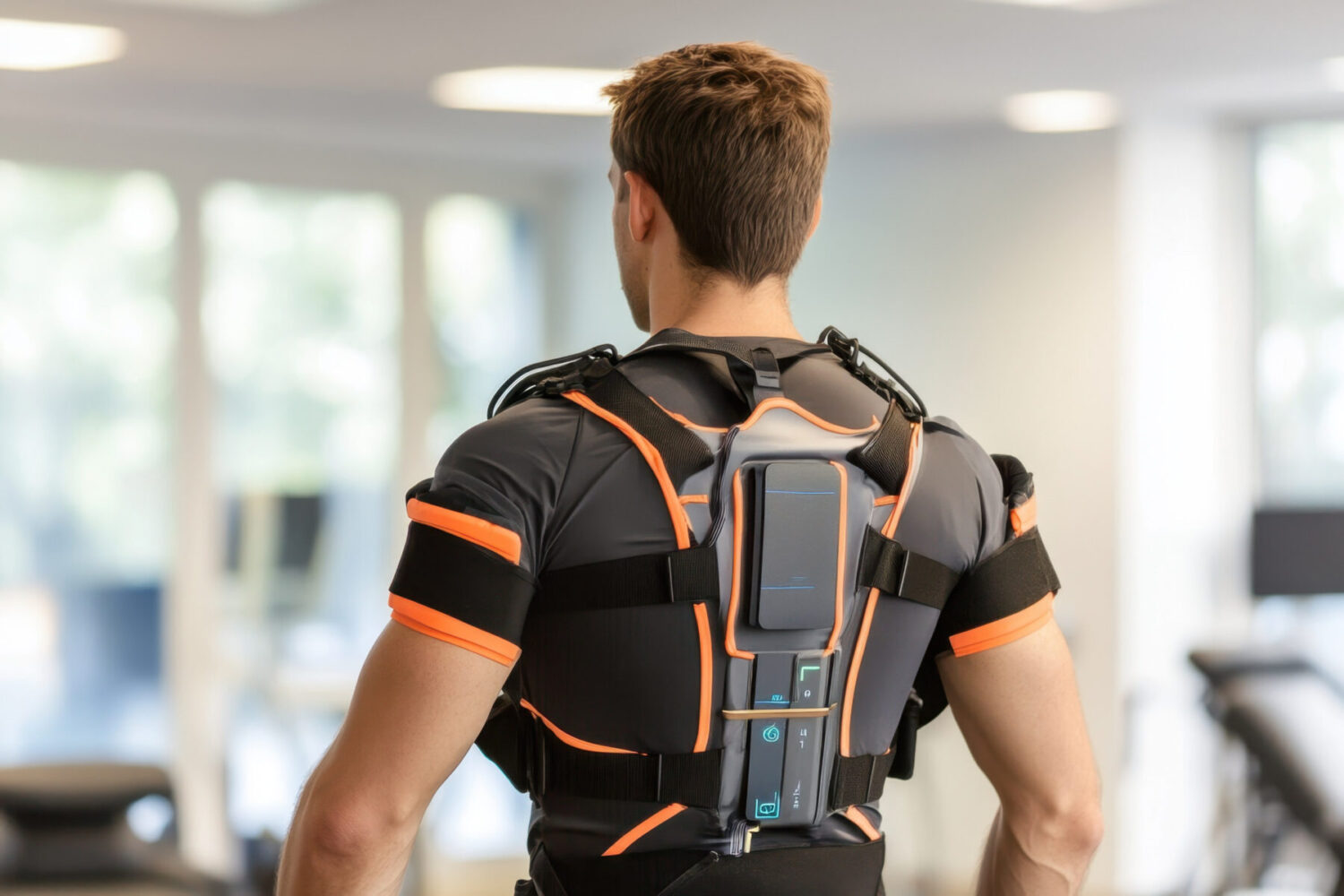
 If you’re struggling to lose unwanted body fat, you’re not alone. Many people find it incredibly hard to lose weight, especially if they’ve already lost a few pounds. Oftentimes this weight loss plateau is a real struggle for people to overcome, and part of the reason may be because we’re not approaching the situation correctly.
Medical research has found the oftentimes our bodies interpret a decline in fat storage as a threat to survival despite the fact that the goal of exercise and weight loss is typically to enhance your long-term health. As fat storage declines, people may notice an increase in appetite, a decrease in desire for physical activity or metabolic changes. All of these actions may be naturally triggered by the body as a form of self preservation, making it harder for you to continue exercising and achieving the health benefits of weight loss.
But what if we could trick the body into thinking that weight loss isn’t occurring so some of these natural processes aren’t triggered? That’s the theory behind a weight vest for weight loss.
Gravitostat Theory
The idea that a weighted vest could aid weight loss is rooted in a new theory called the “gravitostat” hypothesis. The idea here is that weight loss is sensed in the bone cells in the lower extremities as a reduction in gravitational loading. The cells notice this reduction and send signals to the brain to increase appetite and decrease energy expenditure, which makes continued weight loss even more difficult. The hypothesis suggests that a weighted vest would trick the body into thinking it hasn’t lost energy reserves so that these processes aren’t triggered.
Researchers put this theory to the test in the form of a clinical study. Participants were randomized into a weight loss group or a weight loss plus daily use of a weighted vest group, and participants also followed a very low-calorie diet to induce weight loss. They found that after six months, both groups lost statistically equivalent amounts of weight, suggesting that the weighted vest did not have much of an impact on weight loss.
However, by 24 months (18 months after the end of calorie restriction and vest use), the weight loss group had regained all lost body weight from baseline, but the weight loss plus weighted vest group had only regained slightly more than half of the lost body weight. Moreover, there was a significant difference in resting metabolic rate reduction in those with the weighted vest compared to the weight loss group. Those who wore the vests did not see much of a resting metabolic rate change (-16 calories a day) suggesting the weight vest did offset the reduction in resting energy expenditure typically seen with loss of fat mass (weight loss group saw a drop of -238 calories per day in RMR, for example).
The findings aren’t definitive proof that weighted vests are essential for continued weight loss, but they do give some credence to the gravitostat theory.
Dr. Silverman Comments
I had a similar hypothesis several years ago.
It’s a neat concept. Make the body think you are not losing weight to prevent the restriction of resting metabolic rate, which often slows during weight loss phases and is responsible for the dreaded plateau. I look forward to more studies that focus on the gravitostat theory.