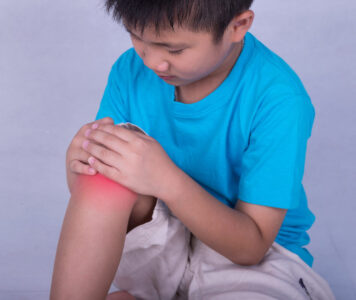
 If you have kids, you’ve probably heard one of them mention that their feet or legs are sore despite no obvious trauma to the area. When dull or moderate discomfort develops in the lower body in younger children, there’s a good chance it is tied to the growing process. This pain, aptly referred to as “growing pains,” occurs as a result of the bones, muscles and soft tissues in the body adapting to the growth process. Being more aware of what to expect as your child goes through a growth spurt and watching for unnatural symptoms can help ensure you handle any and all issues properly.
With that in mind, we want to use today’s blog to take a closer look at growing pains in the legs and feet of developing children.
Understanding Growing Pains
Our bones grow from specific areas of the bone called a growth plate. These softer, cartilaginous areas act as the site for new bone formation as your child gets older. As new bone is added to the already existing bone, it elongates, and so too do the muscles and soft tissues that attach to the bone. The muscle is effectively stretched, putting more tension on the on the areas where it attaches to the bone. Eventually this tension normalizes, but these periods of increased tension can be uncomfortable or even downright painful as the body is working to adapt to this rapid growth.
Oftentimes this tension is less noticeable when your child is moving around, and they are more likely to mention symptoms after periods of activity or when their body is at rest. Many children say symptoms are more noticeable after activity, when they lay down in bed or if they wake up in the middle of the night. Aside from non-trauma related pain in the leg or foot area, common symptoms of growing pains include:
- Tenderness
- Stiffness
- Deep throbbing discomfort
- Similar symptoms in both legs/feet
- Comes and goes in waves
Symptoms will appear based on where the tension resides, which is why it’s common for growing pains to develop in the knees, shins, near the base of the Achilles tendon or along the top of a child’s foot.
Caring For Growing Pains
Growing pains tend to eventually subside on their own, but there are still some things you can do the reduce or eliminate discomfort. Some tips we recommend include:
Gentle Stretching – Have your child perform some gentle stretching maneuvers to help relieve some of this muscle tension.
Massage – Massaging the area or applying some gentle pressure can also work to control muscle tension.
Heat – A heating pad or similar device can help to increase blood flow to the area and relax tense muscles.
Switch Shoes – Having your child switch shoes to a more supportive shoe can ensure the stress of their body weight and movements is dispersed more evenly on their lower body, limiting excessive strain on growing muscle groups.
Orthopaedic Inserts – Orthotic inserts can also help to redistribute stress in a more ideal pattern across your child’s lower body.
Growing pains can be frustrating for both parent and child to deal with, but know that they should eventually resolve as your child’s body adapts to new growth. If pain becomes more constant or worsens, consider having them visit a foot specialist to see if there is something other than growing pains causing their discomfort. Dr. Silverman would be happy to provide a diagnosis and set your child up with the right treatment plan for their needs.
For more information, reach out to Dr. Silverman by filling out this contact form.