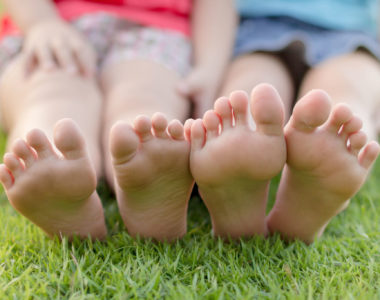
 We want our growing kids to be active, but too much stress on their feet during their development period can lead to the onset of different issues. That’s not to say that we want them to shy away from activity, but it’s wise to be cognizant of some of the signs of a foot problem in active kids. One such condition is known as iselin disease, and it is the result of overstress on the growth plate of the fifth metatarsal (the long outer bone on the foot). In today’s blog, we take a closer look at iselin disease, why it develops and how parents can help their child proactively manage the condition.
Understanding Iselin Disease
Iselin disease occurs when the growth plate of the fifth metatarsal becomes inflamed and swollen. It is most common in active children between the ages of 9 and 14. This growth plate is made of cartilage and is softer than normal bone, so when you combine this softness with chronic or repetitive stress, the area can become damaged, inflamed or swollen. This is especially true in children that partake in high-impact activities or athletics that involve a lot of running and jumping.
Some symptoms that your child may mention if they are dealing with the beginning stages of iselin disease include:
- Foot pain
- Swelling
- Discomfort during physical activity
- Gait changes (shifting pressure away from the outside of the foot)
- Symptoms that alleviate with rest
If you’re noticing any of these symptoms in your child, or they mention discomfort on the outside of their foot, bring them to their pediatrician or to a foot specialist.
Diagnosing And Treating Iselin Disease
The diagnostic process for a condition like iselin disease is pretty straightforward. Your doctor will begin by performing a physical assessment of the foot and by talking with you and your child about symptoms and what actions make discomfort worse or better. They may also ask your child to perform some range of motion exercises and some walking tests to see how the foot responds to different actions. In some instances, an X-ray may be ordered to rule out a more significant fracture.
If iselin disease is the diagnosis, your doctor will walk you through a standard management plan. Oftentimes the condition resolves on its own when the growth plate fuses, but in the meantime, there are some ways you can work to reduce discomfort so that your child can remain active. A typical care plan includes the following recommendations:
- Short-term rest or immobilization to provide an ideal environment for healing to take place
- Icing, especially after activity
- Over-the-counter anti-inflammatories
- Physical therapy to strengthen supportive structures like the calf or peroneal muscles
- Footwear changes to a more supportive shoe
- Gradual return to physical activity
Surgery is never needed to address iselin disease, so the main goal is to reduce or alleviate symptoms during adolescence until the growth plate hardens and symptoms resolve. Being more cognizant of the amount of stress put on that area and giving the feet ample time to recover after strenuous activity can help prevent symptoms or keep them at bay.
For more information about iselin disease or managing other pediatric foot conditions, connect with Dr. Silverman today!