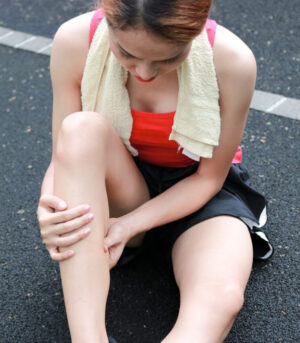
 We’ve talked about shin splints a few times on the blog in the past, and oftentimes it is a condition that affects amateur and more experienced runners. Shin splints, also known as medial tibial stress syndrome, tends to occur when a person puts too much strain on the muscles, tendons and bone tissues around the tibia. Running puts a fair amount of stress on this area, but shin splints don’t just affect runners. If you’re dealing with pain, soreness or discomfort on the front of your lower leg, you may be dealing with the beginning stages of shin splints. In today’s blog, we look at shin splint causes in non-runners, and we discuss some helpful tips for overcoming the condition.
Non-Running Causes Of Shin Splints
Shin splint onset is rooted in overuse and overstressing the tibia and its supportive structures. Running is obviously quite stressful on this area, but any action that repeatedly strains this area can lead to shin splint onset. Some of the most common non-running causes and contributing factors of shin splints include:
- Long walks
- Standing for hours at a time
- Increasing your exercise habits (duration, intensity, etc.) too quickly
- Poor fitting shoes
- Obesity
We’re not saying that you shouldn’t go on long walks because it could lead to shin splint onset, because walking is a great form of exercise that will lead to other health benefits. Instead, we just want you to slowly build up your pace or your distance so as not to overstress your tibia and its supportive structures when walking. Gradually build up your distance, and always be sure that you are wearing shoes designed for the activities you’ll be pursuing. Comfortable and supportive shoes can ensure stress is dispersed appropriately across your legs, ankles and feet so that one area isn’t overwhelmed by normal movements.
Treating Shin Splints
Most mild to moderate cases of shin splints will resolve after a short while if you back off from activity and limit stress on your feet. Again, we don’t want you to become overly sedentary, because that can lead to other health issues and weight gain, but you’ll want to avoid high-impact activities for a while so that the shin splints can heal. Icing the area, anti-inflammatory medications and some gentle stretching can also work to calm symptoms related to your shin splints.
Once symptoms have started to improve, gradually reintroduce controlled activity to your daily routine. Doing too much, too soon can lead to a recurrence and more inflammation in the shin area, so take things slow and see how your body responds before taking on bigger physical challenges. Shin splints can linger if you never work to fully put the problem in the past, so commit to a care plan and slowly work your way back to a pre-injury level of activity and exercise.
Shin splints can be hard to overcome, especially if you’re not a runner with an obvious cause of injury. If you’re wondering if shin splints are behind your pain, or you simply want assistance coming up with an individualized care plan, connect with Dr. Silverman. For more information, reach out to Dr. Silverman by filling out this contact form.