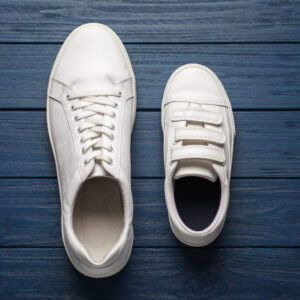
 We assume that our feet are the same size as one another, but that’s simply not the case for every person. There are millions of people who have two feet that are different sizes, whether that be because of a genetic condition, an injury or subtle changes in their foot over time (like the formation of bunions or hammertoes). It’s imperative that you get your feet in a support pair of shoes if they are not the same size, so you can’t expect that both feet will be protected if you buy the same sized shoes. In today’s blog, we explain your options if you are hoping to buy shoes that are different sizes because of a discrepancy in foot sizes.
Mismatched Foot Sizes – Shoe Buying Options
Mismatched foot sizes aren’t always indicative of a problem that warrants a doctor’s attention, but if you’re also experiencing any of the following symptoms, you’ll want to connect with a foot specialist:
- Foot pain
- Numbness
- Weakness
- Recent large change in foot size discrepancy
- Wound, blister or callus formation on one foot
You can help ward off problems and symptoms by ensuring you buy shoes that account for these size differences. Here are some tips for buying shoes that are not the same sizes as one another.
1. Look For Adjustable Options – You may be able to make up for subtle differences in foot size by choosing a shoe that you can adjust a bit. Certain sandals with straps or Velcro options may help you achieve a better fit if you buy the same size shoes by adjusting their tightness.
2. Add An Orthotic – You can also consider buying a shoe that fits the larger foot and then adding some additional padding to the shoe on the smaller foot. An orthotic, heel grips, tongue pads or wearing a thicker sock can all help account for this extra space in the shoe on the smaller foot.
3. Buying a Split Pair – Many retailers will allow you to buy a split pair of shoes, with one shoe being bigger than the other. For example, Nordstrom has a policy in place that dictates how people can buy split shoes from their store if needed. Many places have similar policies or will work with customers to help them find shoes that fit their unique foot shape and size.
4. Custom Order – While this option may be a little more expensive, it can be the best option for unique foot challenges or large differences in their foot sizes. Custom ordering a pair of shoes can ensure you get a shoe that fits your foot perfectly. You’ll have more freedom in choosing the size of your shoe when custom ordering a pair of shoes.
5. Shoe Swap – There are services that allow people with unique foot size challenges to swap or share shoes. There is the National Odd Shoe Exchange or OddShoeFinder.com, which provides shoes to amputees or people with mismatched feet. Learn more about shoe swap options or how you can donate footwear to these programs on their website.
Having feet that are different sizes can make it a little more challenging to find the right pair of shoes, but it’s important you don’t just stick your feet in a pair that aren’t a great fit for both of your feet. Keep these tips in mind and connect with a foot specialist if you need help overcoming challenges presented by different sized feet!