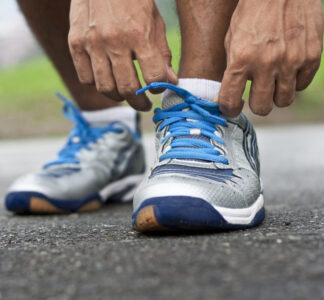
 Whether you work out because you enjoy it or because you’re simply trying to become a healthier version of yourself, nobody want their exercise program to be the catalyst for a new injury. Unfortunately, exercise routines can commonly end in injuries and trips to urgent care. Sometimes these injuries are unavoidable, but other times we may unknowingly be putting ourselves at an elevated risk for injury because of how we approach a workout. Failing to stretch, not giving our body enough time to recover and wearing the wrong shoes can all increase our risk of injury during exercise. In today’s blog, we take a closer look at that last point as we explain how your workout shoes could be behind your new or worsening foot pain.
Workout Shoes Causing Foot Pain
We ask a lot of the shoes we wear during a workout, and if they aren’t up to the task or you were misguided in what you needed in an exercise shoe, your risk of foot pain and injuries can skyrocket. Here’s a look at some of the reasons foot pain may be tied to our workout shoes:
1. Overly Tight – Many exercise enthusiasts and athletes are under the impression that an athletic shoe needs to be very tight. We understand that you don’t want to trip because you have a shoe that’s too big, but an overly tight shoe can also be problematic. Shoes that are too tight can put increased strain on your toe box, which is only amplified as your run, jump and move, and this can lead to foot problems like hammertoes, claw toes and bunions. Don’t jam your foot into an athletic shoe that’s too tight.
2. Not Designed For The Activity – You also need to ensure that the shoes you’re wearing are designed to comfort and support your feet during that specific activity. For example, a basketball shoe may not be right for your half marathon training. Not all athletic shoes are built the same, and you want to find a shoe built for the activities you’ll be pursuing when wearing them. Some shoes prioritize lateral stability, while others are great for repetitive stress or forward motion. Don’t just buy the athletic shoe because you like the look of it, make sure it’s designed to support the movements you’ll be performing most.
3. Inadequate Support – You also want to find a shoe that supports your individual foot shape. That shoe may be designed for running, but if it isn’t molded to support your naturally high arches, it’s not going to be a surprise when foot pain develops. Aside from ensuring the shoe can support the activities you’ll perform, be sure that it is supportive of your unique foot shape.
4. Worn Down – Your workout shoes have been with you through 5 a.m. wake ups, late night sessions and the gym and your first race, but eventually it’s time to swap them out for a new pair. Worn shoes may no longer provide ample support, they may have holes that allow moisture into the shoe or they may no longer have a safe amount of grip on the underside, all of which can increase your risk of different foot problems. Take a closer look at your gym shoes and recognize when it’s time to put them to pasture and invest in your health by getting a new pair.
Keep exercising, but make sure that you’re doing so in a protective and support shoe! For help figuring out which shoes are right for your workout routine, or to overcome new or existing symptoms tied to your current exercise program, connect with Dr. Silverman and the team at OrthoArizona. Give his office a call today at (602) 648-5444.