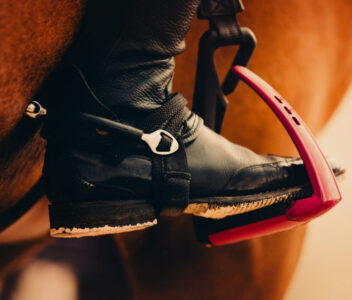
 Horseback riding is a more common leisure activity here in Arizona than it is in many other states across the US, but that also means that orthopedic surgeons see an increased amount of traumatic foot and ankle injuries as a result of horseback riding. One scared horse or failed dismount can seriously mangle your foot, so it’s important to know how to protect yourself and your children if your family plans to begin horseback lessons or takes a recreational ride with the help of a trail guide. Below, we take a closer look at some of the mechanisms of foot-related horseback injuries, and we discuss prevention techniques.
Horseback Riding And Foot Injuries
Your feet are at risk of injury in a few different ways when horseback riding, including:
Crush Injuries – Having your foot or ankle stepped on by a horse.
Mounting/Dismount Injuries – If your foot gets caught in the stirrup when mounting or dismounting, soft tissues can be overextended or torn.
Prolonged Foot Positioning – Unlike other sporting activities, horseback riding puts the foot and ankle in a single loaded position for an extended period. A rider’s foot is positioned in the stirrup with the ball of the foot bearing a concentrated load as the ankle maintains a sustained dorsiflexion position. This puts a lot of stress on the Achilles tendon and the metatarsal heads, which can lead to overstress injuries or an inversion injury if the horse makes an unexpected maneuver.
Repetitive Stress – Stress is regularly channeled through the feet as you ride, and these forces are multiplied if you’re riding in competitions where the horse is in a rising trot or when jumping and landing. Over time these forces can overload the muscles and bones in your feet.
Natural Boot Shape – A riding boot is designed for the activity, not for comfort and support. Extended time in these riding boots can cause problems for different muscle groups or increase your risk of bunions and hammertoes.
Preventing Foot and Ankle Injuries When Horseback Riding
There’s no perfect playbook for preventing foot and ankle injuries when horseback riding, but if we look at some of the common causes of injury, we can act accordingly and work to lower our risk. This includes actions like:
- Working with professionals or horse trainers to learn the proper mounting and dismounting techniques, as well as how to ensure the horse acts as expected when riding.
- Practicing safe ground handling, as horses have limited downward visibility, to help prevent crush injuries.
- Wearing stirrups that fit correctly or using safety stirrups to limit the likelihood that the foot remains in the stirrup when dismounting or when disengaged from the horse.
- Limiting excessive time spent in unsupportive riding shoes, while also being aware that the right footwear is essential when riding or handling horses.
- Wearing a wider stirrup can better distribute forces across your foot, and cushioned stirrups or gel inserts inside the riding boot can provide additional shock absorption.
- Give your horse and your body time off from riding, as riding too often can increase your risk of overstress injuries in the feet.
- Pursue foot and ankle conditioning exercises to strengthen your feet when you’re not riding so the muscles in the area can handle the strain they’ll be under when it comes time to ride.
Finally, know the signs of a foot or ankle injury and consult with an orthopedic specialist if your ride is ending in discomfort. Obviously a crush injury or a sprain from a poor dismount will need care, but if you’re dealing with more subtle symptoms, like aching arches, numbness or a tingling sensation during or after riding, consider setting up an appointment to figure out what’s going on in your foot.
For more information, or for help overcoming an injury that’s keeping you from riding as much as you’d like, reach out to Dr. Silverman and the team at OrthoArizona today at (602) 648-5444.