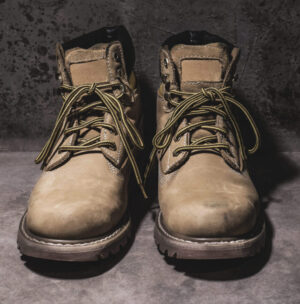
 On the surface, steel toe boots seem to offer your feet an extra layer of protection when you’re on the job site. However, if you look a little more closely at the shoe, and it’s easy to see why workers who spend a significant amount of time in these shoes can develop foot issues. In today’s blog, we take a closer look at what you’ll want to find in a steel toe boot if you want to reduce your risk of developing foot pain.
What To Look For In A Steel Toe Boot
While the steel in the toe of a steel toe boot can help protect your toes from crush injuries, that doesn’t mean your feet are always perfectly protected when wearing the boots. In other ways, the boot can be lacking in protective features or have additional qualities that serve to increase your risk of certain foot ailments. Let’s take a closer look at why foot pain can be so common in workers who wear steel toe boots on the jobsite.
Limited Arch Support – Many manual labors may overlook how the shoe contours to their foot and instead focus on other aspects, like shoe color, brand or price. You need to ensure you purchase a work boot that is designed with your specific foot shape in mind.
Heavier Than Normal Shoes – Steel toe boots are typically heavier than regular shoes, and your feet will feel this added weight with each step you take. Wear them too frequently or without giving your feet time to get acclimated to the heavier shoe, and joints in the foot can become overstressed.
Wrong Size – We’re not trying to generalize here, but manual laborers may not always ensure they buy a shoe that fits their foot just right. If they don’t account for the thick socks they’ll need to wear or they assume shoe sizes are identical across brands, they can end up with a shoe that’s just a little too big or too small for their foot, and this fit discrepancy can increase their risk of injury.
Stiff Shoe – Steel toe boots tends to be stiffer than tennis shoes or other boots, and this stiffness may end up putting additional strain on your feet because the shoe can’t accommodate movements like more flexible models can.
Work Demands – For many, they wear their work boots all shift for five days a week. Prolonged time in a stiffer, heavier and potentially ill-fitting shoe can certainly increase your risk of foot injury.
Being aware of the potential threats to your feet makes it easier to choose a steel toe boot that is more protective of your foot health. For example:
- Get professionally fitted in a shoe store for your next pair of steel toe boots
- Consider composite boots that offer similar protections in lightweight models
- Bring a more comfortable and supportive shoe to switch into for your commute or if you’re running errands after work
- Consider adding orthotic inserts to your boots to provide your feet with an extra layer of cushion and support
- Break new boots in properly so they aren’t as stiff and your feet get acclimated to them properly
- Get off your feet when possible if you are on your feet for the majority of your work day
If foot pain is making your time in steel toe boots uncomfortable, connect with a foot and ankle specialist in your area and learn how you can put discomfort behind you for good. For more information, connect with Dr. Lance Silverman or keep clicking around on our blog!