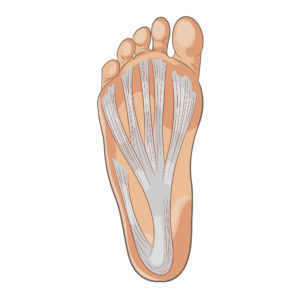
 When you think of a foot injury, you probably imagine an issue that developed as a result of acute trauma. Perhaps you envision a basketball player spraining their ankle stepping on another player’s foot, or a person suffering a foot fracture after tripping down the stairs. However, it’s not always an acute moment of stress that leads to some of the most common foot and ankle injuries.
Take plantar fasciitis for example. While it can be triggered by one intense moment of stress directed onto the plantar fascia, oftentimes it’s a much less innocuous action that leads to plantar fascia tearing or inflammation. In today’s blog, we spotlight some of these surprising causes of plantar fasciitis.
Hidden Causes Of Plantar Fasciitis
Dr. Silverman went into greater detail about the causes of plantar fasciitis in this recent piece by The Guardian where he was quoted, but let’s use today’s blog to spotlight some of the surprising factors that can contribute to plantar fasciitis onset:
Exercise After Some Time Off – Exercise in and of itself isn’t a major risk for plantar fasciitis, but exercising too much after an extended period of inactivity can do it. We’ve talked with countless patients who have New Year’s Resolutions or are just starting to train for a marathon but are quickly felled by plantar fasciitis pain. Taking on too much activity, too soon, especially after an extended period of inactivity, can greatly increase your risk for plantar fasciitis. Take things slow and gradually build up your distance or speed to keep your plantar fasciitis risk at bay.
Your Weight – Your plantar fascia bears the weight of your body with every step you take, so it stands to reason that the heavier you are, the more stress the tissues are under. Whether you’re running, walking or moving, this extra weight it going to put additional strain on your plantar fascia, and over time that can increase your risk of developing plantar fasciitis.
Arch Abnormalities – Your risk of developing plantar fasciitis is also tied to the genetic lottery. Individuals with flat feet or high arches will displace stress differently across their foot, and oftentimes that involves more stress being placed on the plantar fascia. Orthotic inserts and physical therapy can help to lower this risk, as can working to maintain an ideal weight. Be proactive with the hand life deals you.
Repetitive Stress – Finally, as we mentioned above, trauma can play a roll in plantar fasciitis onset, but it’s usually chronic, repetitive trauma, not acute trauma. If you’re someone who always runs for a workout or you’re constantly on your feet at your job, it’s possible that you’re overloading the plantar fascia with repetitive strain, weakening the tissue and putting you at a heightened risk for plantar fasciitis.
Whatever your underlying cause, Dr. Silverman wants to help identify the issue and develop a treatment plan that sees you put this plantar fascia pain to bed once and for all. For more information, or for help with a different foot or ankle issue, connect with Dr. Silverman today.