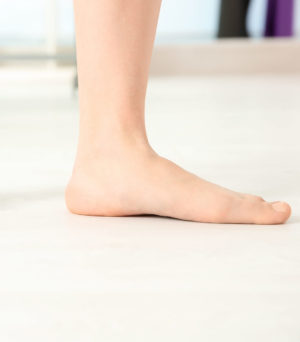
 A healthy foot typically has a small arch to it, but as we’ve seen in our line of work, feet come in all different shapes and sizes. Some people have a very pronounced arch, while others have incredibly flat feet, and oftentimes these foot shapes don’t present with any symptoms.
A foot’s natural arch serves many purposes. It aids in balance and stress distribution, and it helps us push off with every step we take. If we don’t have a natural arch, or this arch falls over time, symptoms can develop as a result of added stress across the foot. But why can a healthy arch begin to sag and fall? In today’s blog, we look at some of the factors that contribute to fallen arches.
Causes Of Fallen Arches
There are a number of different factors that can contribute to fallen arches, and oftentimes more than one of these factors are at play in a patient dealing with symptomatic flat feet. Some of the most common causes of fallen arches include:
Obesity – It stands to reason that the heavier a person is, the more stress their feet will absorb with every step they take. Over time, this can slowly lead to a weakening of the strong soft tissues that help to form our foot’s arch.
Natural Aging – Your fallen foot arch could simply be the result of the natural aging process. Decades of stress, even healthy amounts of stress, can end up leading to some degenerative changes within our feet.
Genetics – Some people win the genetic lottery, while others are born with genetics that leave them susceptible to fallen or underdeveloped arches.
Diabetes – Certain health conditions like diabetes can expedite bone breakdown in your feet, causing the arches to fall over time.
Injury – An acute injury to the foot or ankle can impact how stress forces are dispersed across your feet, putting additional strain on structures that support your arch. Even if you feel physically recovered from the injury, if the stress forces remain amplified, your arch can gradually fall.
As we mentioned in the introduction, a falling arch or flat feet isn’t always a problem. Many people have flat feet and experience no symptoms from the loss of a healthy arch, but you’ll still want to monitor the situation. If symptoms start to develop, or if you want to protect your feet from the onset of symptoms, keep these tips in mind:
Wear Supportive Shoes – Find a shoe that is designed with your specific foot shape in mind. Many brands offer flat foot-style shoes that provide additional support in the sole to help stress be distributed more normally across the foot.
Orthotics – A generic or custom orthotic insert can provide additional support to your flat feet that can’t be provided by footwear alone.
Weight Management – Working to shed a few pounds can take stress off your feet, which is particularly helpful if you don’t have strong arch tissues.
The Right Exercise – We want you to stay active if you have flat feet, but it may be easier to avoid high impact exercises that amplify the stress on your flat feet. Swimming, cycling and yoga are great alternatives to pounding the pavement with a run.
We see plenty of patients with flat feet, and we are always willing to have a conversation about what they are experiencing and how they can ward off or treat issues tied to their foot shape. If you need help dealing with a flat foot issue or a different type of ankle injury, connect with Dr. Silverman today!