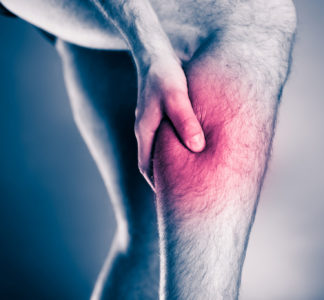
 Your body works best when different structures move in harmony with one another, but the opposite is also true; when one system isn’t working ideally, other areas can suffer. That’s particularly true for patients with naturally or overly tight calf muscles. Having overly tight calf muscles may not seem like all that serious of a health condition, and in the grand scheme of health conditions, it is lower on the list, but it can still predispose you to other painful or more serious foot and ankle conditions. In today’s blog, we look at some of the ways having overly tight calves can impact your feet.
How Tight Calves Affect Your Feet
Tight calves can develop for a number of reasons. You may be born with naturally tight calf muscles, they may tighten as a result of stress or injury, or they can set in because of poor footwear choices (think high heels). They can also be fleeting, like a calf cramp, or more ever-present. Here’s a look at some of the issues that you may be at an elevated risk for because of your overly tight calf muscles:
Achilles Tendinitis – Your Achilles tendon is directly attached to your calf muscles, so it’s one of the most common areas to be impacted by prolonged calf muscle tightness. This tightness can end up pulling on your Achilles tendon, increasing your risk of Achilles tendinitis, which is categorized by tendon inflammation. Stretching your calf muscles and limiting excessive strain on the Achilles can help ward off Achilles tendinitis.
Plantar Fasciitis – Your plantar fascia is the thick band of connective tissues that stretch along the underside of your foot, connecting your heel to your toes. Tight calf muscles can pull on the heel area and irritate the plantar fascia, increasing its risk of becoming inflamed and turning into plantar fasciitis.
Metatarsalgia – Tight calf muscles can end up limiting the range of motion in your ankles, and when this happens, people have a tendency to walk with a forefoot-strike gait. This shift puts more stress on the front of your foot compared to a heelstrike gait, which can increase your risk of metatarsalgia, a condition categorized by inflammation under the metatarsal bones.
Shin Splints – You may naturally shift how stress is dispersed down your foot as a result of your naturally tight calf muscles, which can end up putting more strain on the shin muscles. If this overstresses this area, you may be at a heightened risk for shin splints and pain along the shin bone.
Overly tight calves don’t just impact your feet and ankles, as they can also cause problems for your hips and knees. If you have naturally tight calf muscles or they regularly tighten up after activity, make more of a point to regularly stretch the muscles and help them relax. Stretching before and after activity and harnessing the power of heat to improve blood flow and relax muscles as needed can help loosen your calf muscles and reduce your risk of some of the problems that can develop as as result of chronically tight calf muscles.
And of course, if you want help from a professional overcoming your tight calf muscles or a problem they contributed to, connect with Dr. Silverman and the team at OrthoArizona today at (602) 648-5444.